Insulation is one of the most critical elements of any loft conversion. A poorly insulated loft will be freezing in winter, sweltering in summer, and expensive to heat. Here's what you need to know about current requirements and the options available.
Building Regulations Requirements
Current Building Regulations require loft conversion roof insulation to achieve a U-value of 0.18 W/m²K or better. This typically requires 100–150mm of rigid insulation between the rafters, plus a further layer below the rafters. Our conversions always meet or exceed current standards.
Types of Insulation Used
For loft conversions, we use rigid polyisocyanurate (PIR) insulation boards (such as Kingspan or Celotex) as standard. These deliver excellent thermal performance in a relatively thin profile, preserving maximum headroom. Mineral wool can also be used between rafters but requires more depth for the same performance.
Warm Roof vs Cold Roof
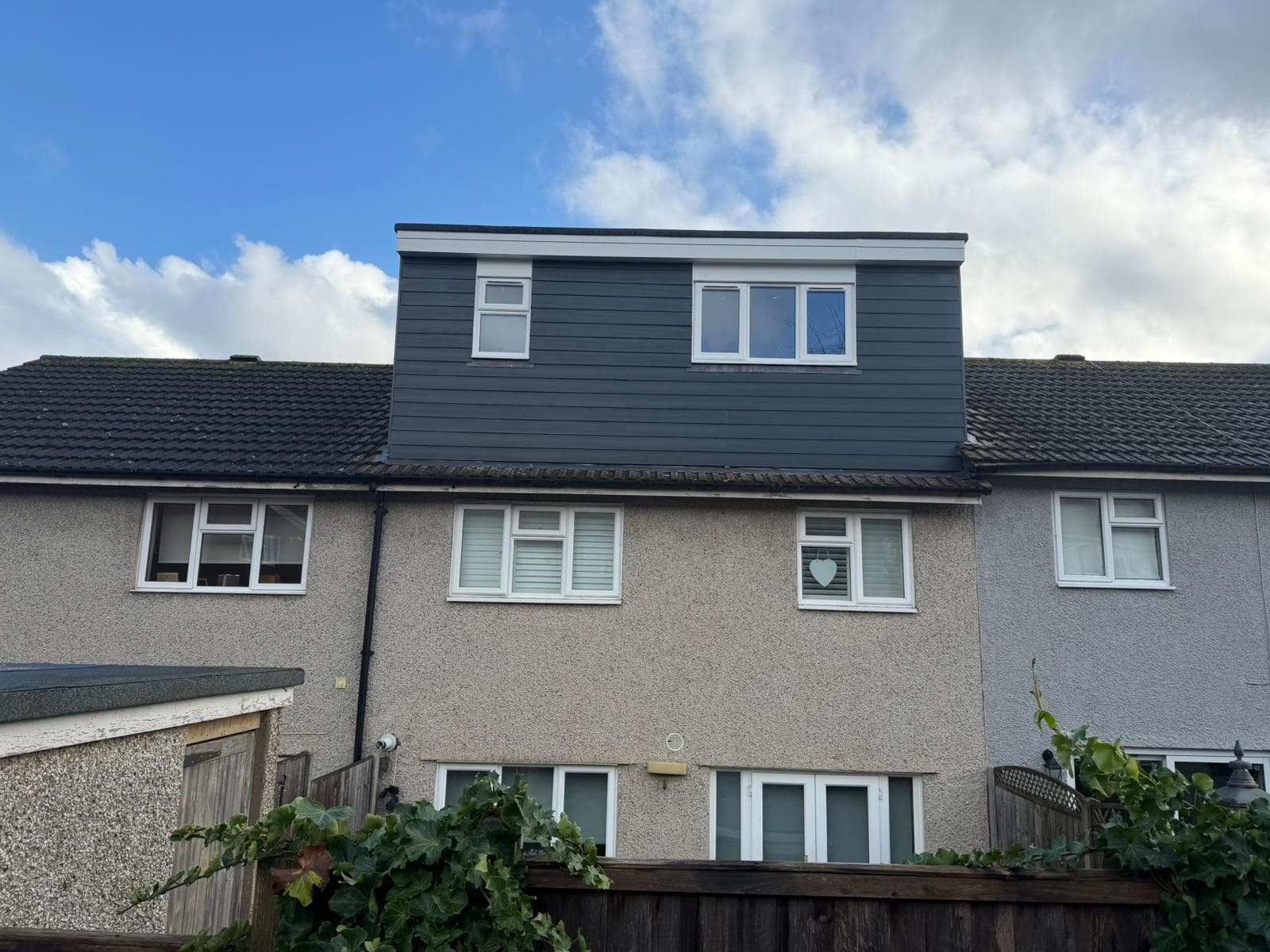
A 'warm roof' places insulation above the rafters, keeping the structural timber within the warm zone and preventing condensation. A 'cold roof' places insulation between and below the rafters. For dormer flat roofs, we always use a warm roof construction. For pitched Velux conversions, insulation goes between and under the rafters.
Controlling Condensation
Condensation is a risk in any new loft room — warm, moist air from the living space can condense on cold surfaces. Proper insulation, a vapour control layer on the warm side of the insulation, and adequate ventilation all play a role in preventing condensation issues.
Ready to Get Started?
Proper insulation is fundamental to a comfortable, energy-efficient loft conversion. Our team specifies and installs insulation to current Building Regulations standards on every project. Call 01279 881247 to arrange your free survey.
Essex Loft Extensions Team
Based in Harlow, Essex · 01279 881247