Hip-to-gable loft conversions are the go-to solution for semi-detached and end-of-terrace homeowners in Essex who have a hipped roof. This guide covers everything you need to know about this specialist conversion type.
Is My Home Suitable?
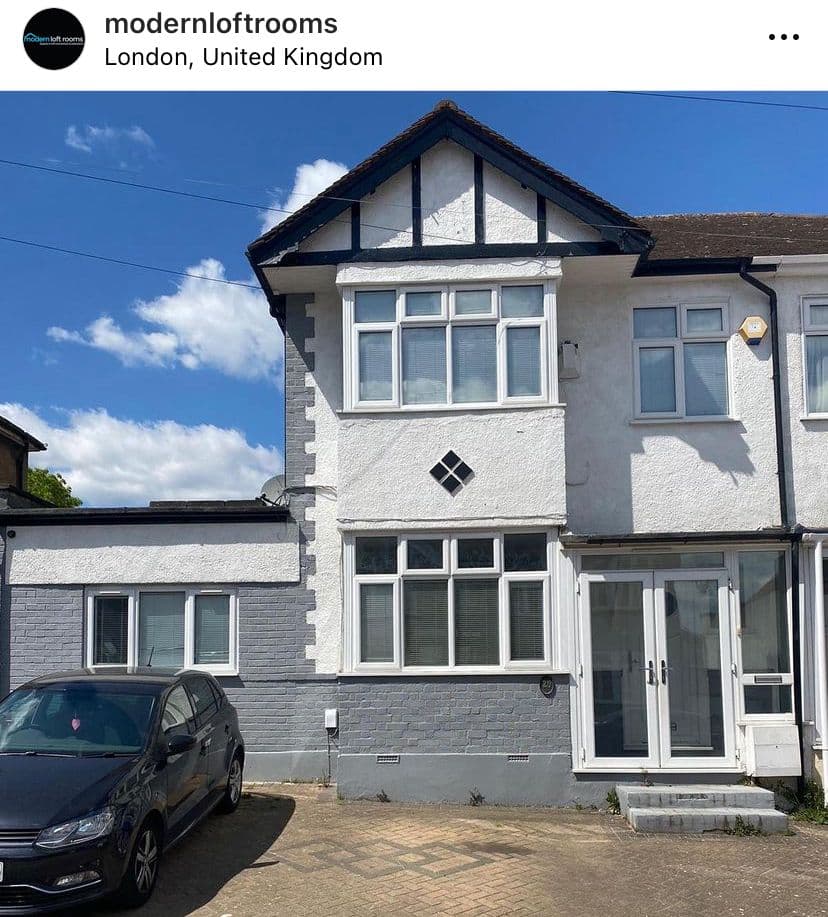
A hip-to-gable conversion is only possible on properties with a hipped roof on the relevant side — typically semi-detached houses, end-of-terraces, and some detached bungalows. To check: look at the end wall of your property. If the roof slopes down toward you (rather than having a vertical triangular gable wall), you have a hip and may be suitable.
How Is It Built?
The hip end of the roof is carefully dismantled and rebuilt as a vertical gable wall, typically in matching brick and with a new gable window. This extends the ridge beam and dramatically increases the floor area and headroom available in the loft. The existing roof on the front and rear slopes is generally retained.
Combining with a Rear Dormer
The most popular approach for semi-detached properties is to combine the hip-to-gable conversion with a rear dormer — creating what's known as an L-shaped dormer. This combination creates the maximum possible loft space and is the most cost-effective use of the construction project.
Planning Permission
Hip-to-gable conversions on semi-detached and end-of-terrace properties generally fall within permitted development rights. However, properties in conservation areas, listed buildings, and some newer developments may require full planning permission. We check this at the free survey stage.
Ready to Get Started?
If you have a semi-detached home with a hipped roof, a hip-to-gable conversion could transform your loft space. Book a free survey with our team to find out what's possible for your specific property. Call 01279 881247.
Essex Loft Extensions Team
Based in Harlow, Essex · 01279 881247